Wildlife Watch
SamsungWe turned the entire world into virtual rangers.
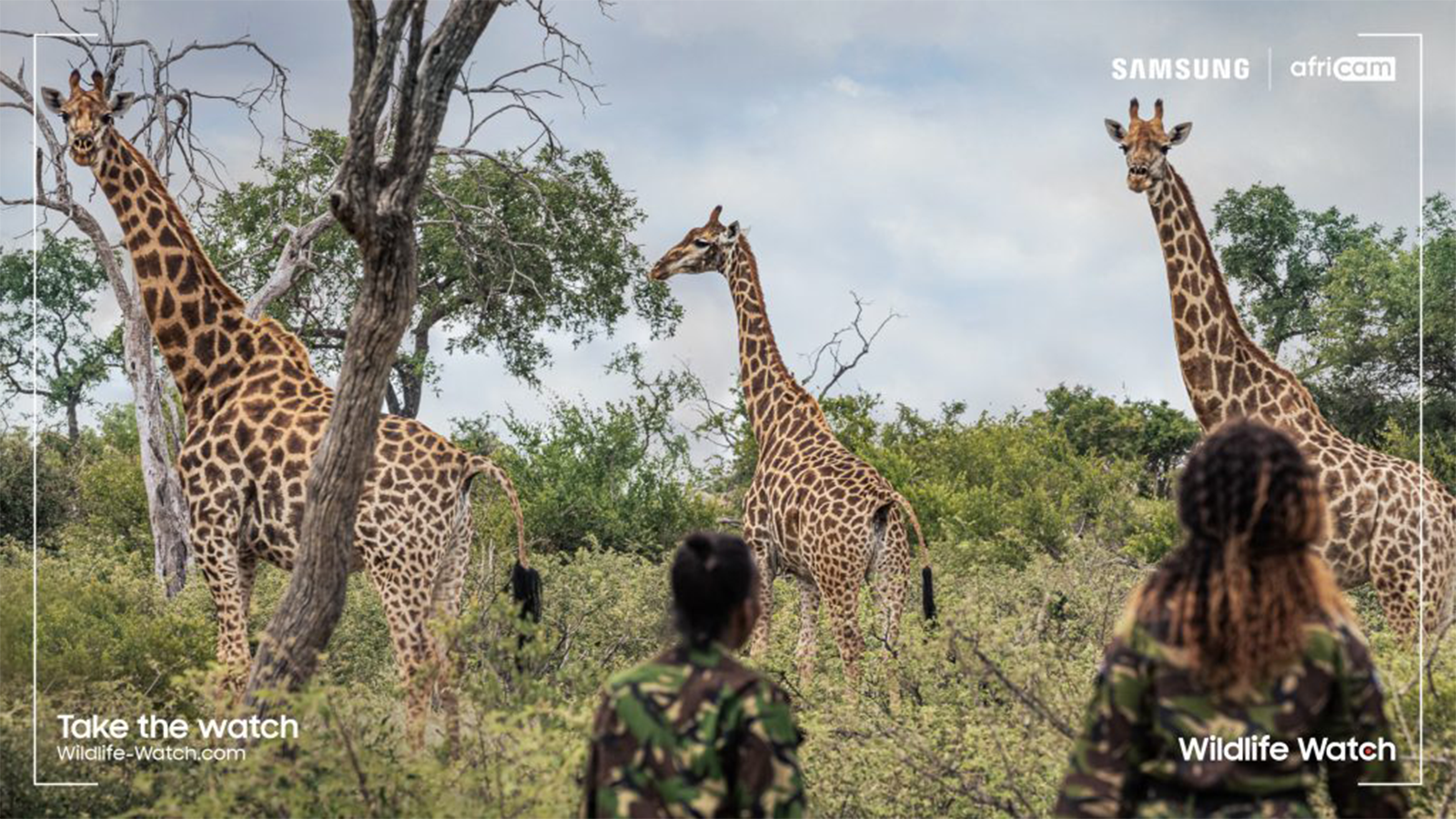

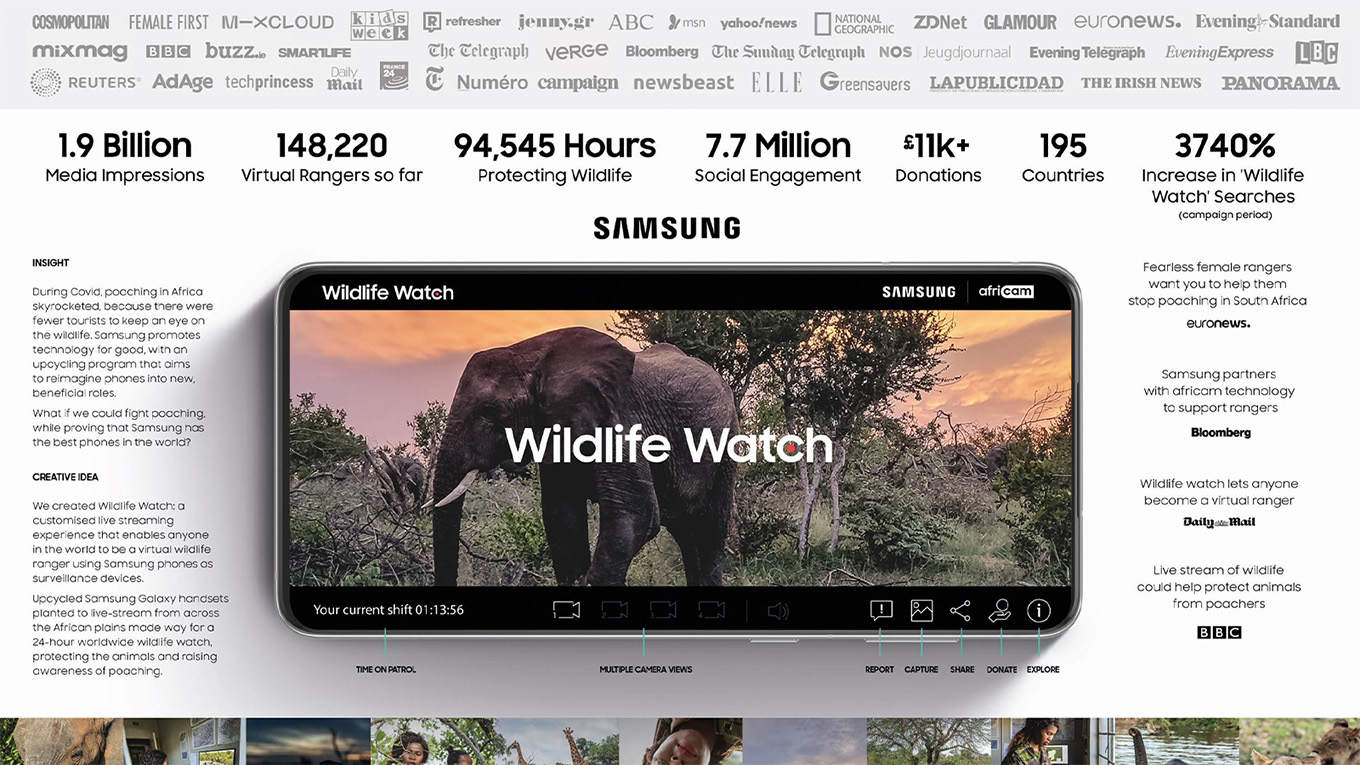
During the pandemic, fewer tourists in Africa's reserves meant fewer eyes on the ground — and poaching surged. At the same time, Samsung needed a way to show what its phones could really do, beyond specs and price, to a younger audience that had stopped paying attention to product news.
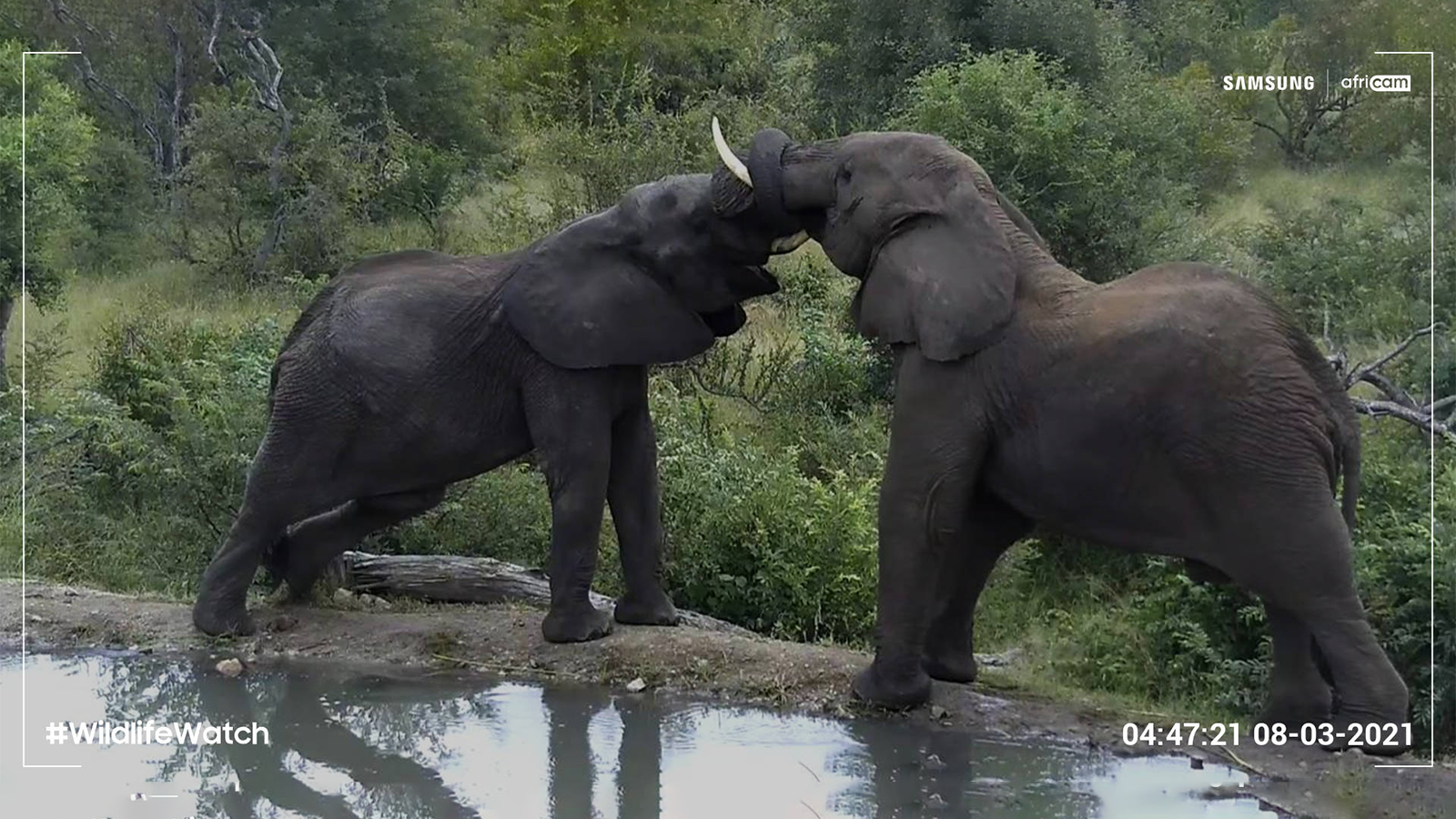
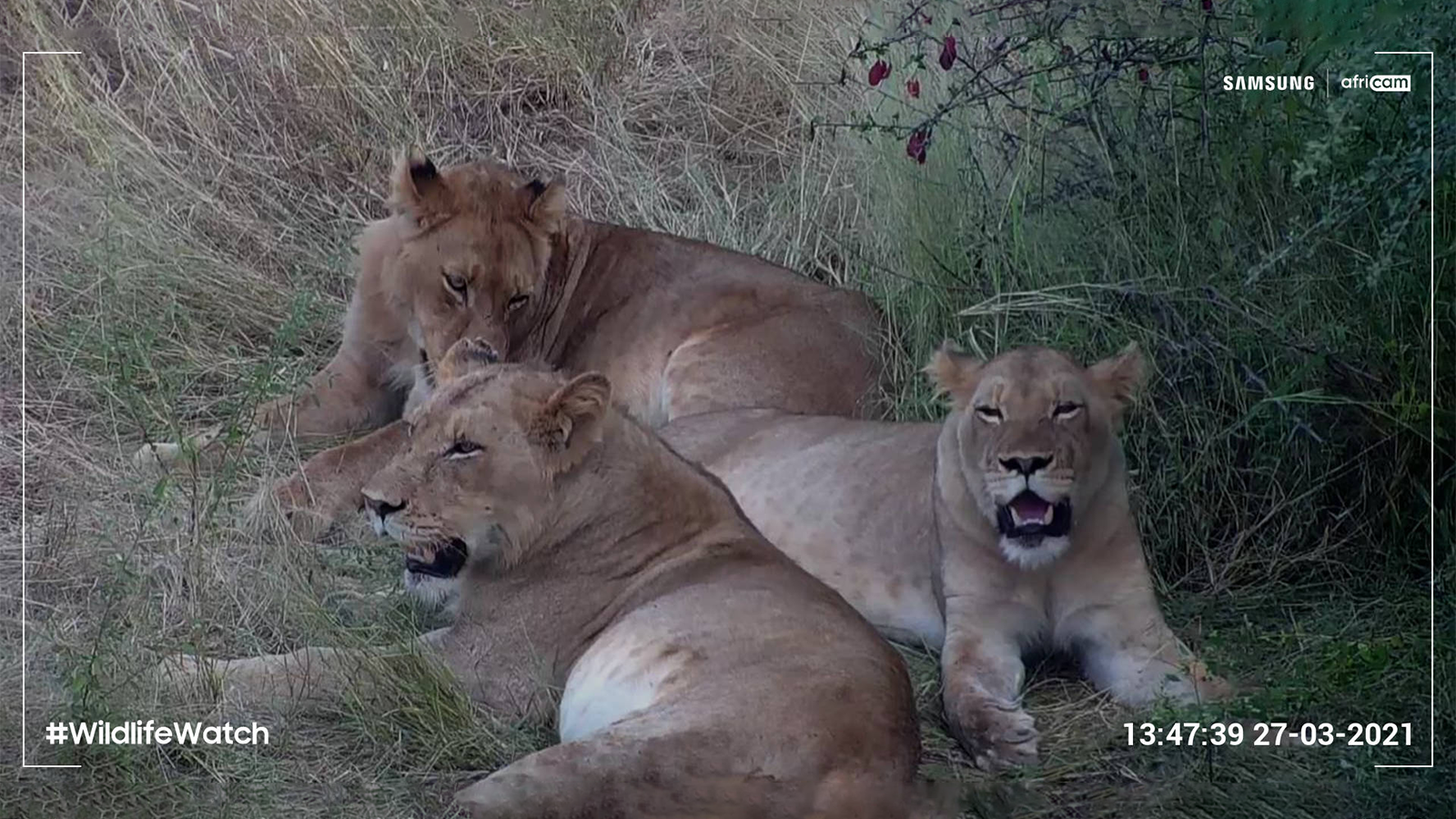
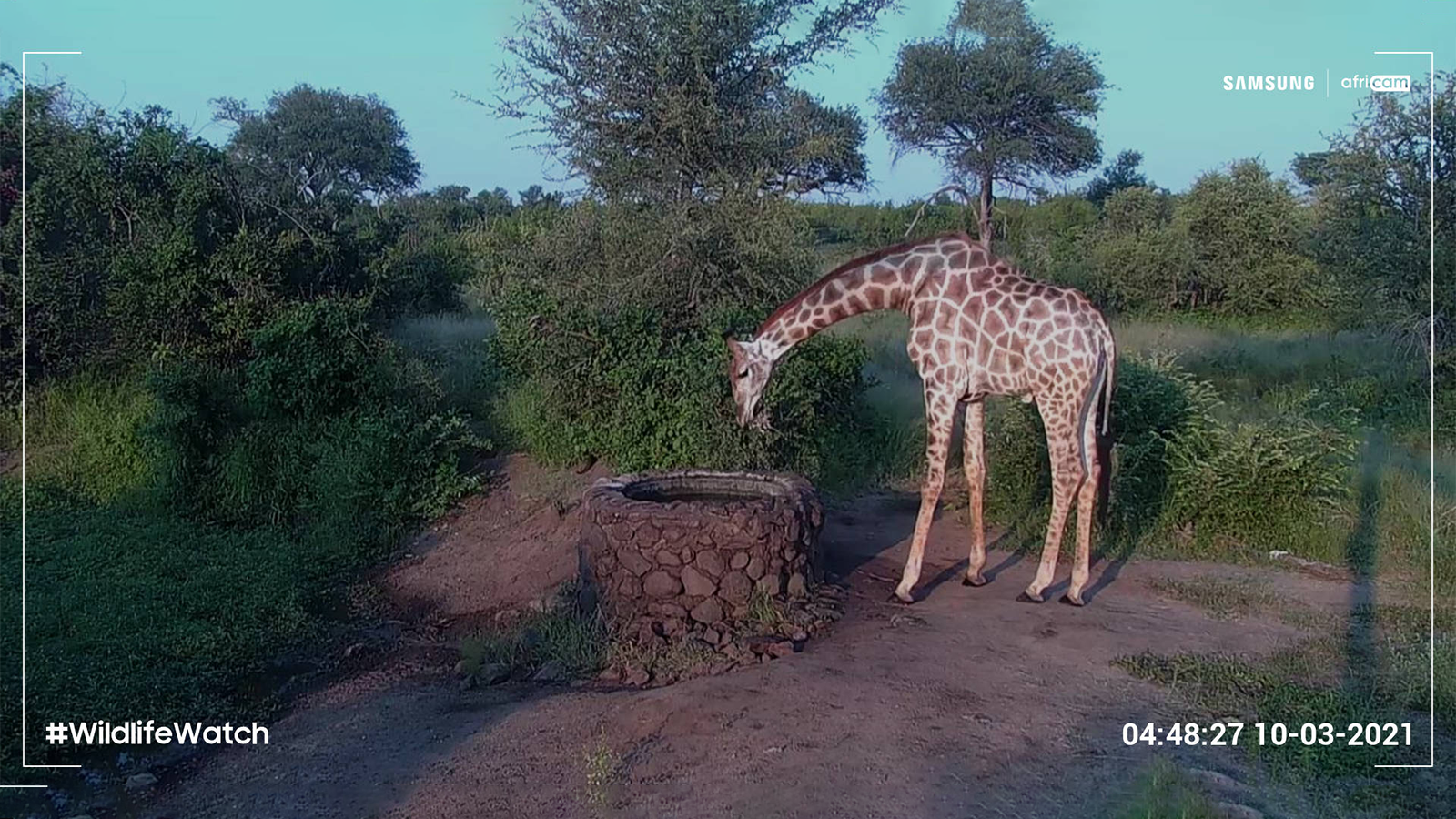
So instead of talking about cameras, we built something people could actually use one. We repurposed Samsung Galaxy handsets across the Balule Nature Reserve in Kruger National Park — some mounted to livestream the plains 24/7, others upcycled into perimeter CCTV to support rangers on their daily patrols.
Anyone, anywhere, could log on to Wildlife-Watch.com and become a virtual ranger — watching live, spotting suspicious activity, and sharing what they saw.
As creative director, I spent a week on the ground in Kruger with the rangers before a frame was shot — understanding what they do and the risks they take every day. Being that close to nature, raw and unscripted — coming face to face with an elephant, watching a pride of lions move through the bush at dusk — gave me a respect for the natural world I didn't have before. That week shaped everything about how we told the story.
The campaign reached 1.9 billion media impressions across 30+ European countries, with participation from 199 countries worldwide. Over 172,000 people became virtual rangers, watching for a combined 94,500+ hours. It raised over £11K and donated 30 Samsung phones to the Black Mamba rangers, and drove a 3,740% spike in searches for "wildlife watch."
The work went on to win a Webby, a Shorty (Gold), a Clio shortlist, and a SABRE Award for Technology, among others.